



According to media reports and data, China's exports grew by 5.9% in November, while shipments to the United States declined by 29%. Despite a year-on-year decrease of nearly 29% in exports to the United States, marking the eighth consecutive month of double-digit decline, China's exports resumed growth in November after an unexpected contraction the previous month.
Customs data released on Monday showed that China's overall exports in November rose 5.9% from a year earlier to $330.3 billion in dollar terms, beating economists' expectations. This was an improvement from a 1.1% contraction in October.
Customs data shows that China's trade surplus surpassed the $1 trillion mark in the first 11 months, reaching nearly $1.08 trillion, highlighting the widening gap between overall imports and exports. According to official data compiled by FactSet, this is a record high for a single year, surpassing the surplus of $992 billion for the entire year of 2024.
Data shows that while China's exports to the United States have been declining for most of this year, exports to other destinations have surged, including Southeast Asia, Latin America, Africa, and the European Union. Meanwhile, despite the continued downturn in the real estate industry, which is still affecting consumer spending and business investment, China's imports grew by 1.9% in November, exceeding $218.6 billion, better than the 1% increase in October.
The United States reduced tariffs on China, and China pledged to stop export controls related to rare earths. “Exports in November may not have fully reflected the tariff cuts, which should be seen in the coming months,” Lynn Song, chief economist for greater China at ING Bank, wrote in a report
An official survey showed Chinese factory activity contracted for an eighth consecutive month in November, and economists said it was too early to tell whether external demand had truly rebounded following the US-China trade truce. With exports still strong, economists generally expect China to achieve its economic growth target of around 5 per cent this year, more or less.

According to media reports and data, China's exports grew by 5.9% in November, while shipments to the United States declined by 29%. Despite a year-on-year decrease of nearly 29% in exports to the United States, marking the eighth consecutive month of double-digit decline, China's exports resumed growth in November after an unexpected contraction the previous month.
Customs data released on Monday showed that China's overall exports in November rose 5.9% from a year earlier to $330.3 billion in dollar terms, beating economists' expectations. This was an improvement from a 1.1% contraction in October.
Customs data shows that China's trade surplus surpassed the $1 trillion mark in the first 11 months, reaching nearly $1.08 trillion, highlighting the widening gap between overall imports and exports. According to official data compiled by FactSet, this is a record high for a single year, surpassing the surplus of $992 billion for the entire year of 2024.
Data shows that while China's exports to the United States have been declining for most of this year, exports to other destinations have surged, including Southeast Asia, Latin America, Africa, and the European Union. Meanwhile, despite the continued downturn in the real estate industry, which is still affecting consumer spending and business investment, China's imports grew by 1.9% in November, exceeding $218.6 billion, better than the 1% increase in October.
The United States reduced tariffs on China, and China pledged to stop export controls related to rare earths. “Exports in November may not have fully reflected the tariff cuts, which should be seen in the coming months,” Lynn Song, chief economist for greater China at ING Bank, wrote in a report
An official survey showed Chinese factory activity contracted for an eighth consecutive month in November, and economists said it was too early to tell whether external demand had truly rebounded following the US-China trade truce. With exports still strong, economists generally expect China to achieve its economic growth target of around 5 per cent this year, more or less.


According to Adobe Analytics data, the online sales revenue in the United States during this year's Black Friday reached $11.8 billion, representing a year-on-year increase of approximately 5.8%-9.3%. Amidst the overall slowdown in global e-commerce growth and intensified competition in the industry, the Black Friday battlefield has presented a new landscape, and the logic of industry competition has also undergone profound changes. The "ultra-long promotion cycle" has become the core trend of this Black Friday, a model pioneered by TikTok Shop, which extended the major promotion cycle to over a month. Leading platforms such as Amazon, Wal Mart, and AliExpress quickly followed suit, ultimately creating the longest-ever Black Friday promotion season in history.
According to official data, since the second half of this year, TikTokShop's fully managed business has doubled compared to the global business at the middle of the year. The UK region has achieved a record-breaking single-day performance, with a nearly 200% surge in business throughout the entire period. The US content field has achieved a historic breakthrough, with a single live broadcast exceeding $200,000. New markets such as the four EU countries and Mexico have seen multiple times growth. More than 6,000 popular products sold out in eight major countries worldwide during the Black Friday period.
The industry generally believes that the current cross-border e-commerce overseas competition has shifted from "traffic dividend" to content and supply chain competition. The achievement of "breaking through 500 million US dollars in four days" during the Black Friday online shopping season in the US on TikTok Shop further confirms the growth advantage of the content-based cross-border e-commerce model.
With its extensive market coverage, mature full-managed services, and strong content traffic driving capabilities, TikTok Shop has not only further consolidated its competitiveness but also become a core position and a new cross-border "main battlefield" for Chinese goods going global.
According to Adobe Analytics data, the online sales revenue in the United States during this year's Black Friday reached $11.8 billion, representing a year-on-year increase of approximately 5.8%-9.3%. Amidst the overall slowdown in global e-commerce growth and intensified competition in the industry, the Black Friday battlefield has presented a new landscape, and the logic of industry competition has also undergone profound changes. The "ultra-long promotion cycle" has become the core trend of this Black Friday, a model pioneered by TikTok Shop, which extended the major promotion cycle to over a month. Leading platforms such as Amazon, Wal Mart, and AliExpress quickly followed suit, ultimately creating the longest-ever Black Friday promotion season in history.
According to official data, since the second half of this year, TikTokShop's fully managed business has doubled compared to the global business at the middle of the year. The UK region has achieved a record-breaking single-day performance, with a nearly 200% surge in business throughout the entire period. The US content field has achieved a historic breakthrough, with a single live broadcast exceeding $200,000. New markets such as the four EU countries and Mexico have seen multiple times growth. More than 6,000 popular products sold out in eight major countries worldwide during the Black Friday period.
The industry generally believes that the current cross-border e-commerce overseas competition has shifted from "traffic dividend" to content and supply chain competition. The achievement of "breaking through 500 million US dollars in four days" during the Black Friday online shopping season in the US on TikTok Shop further confirms the growth advantage of the content-based cross-border e-commerce model.
With its extensive market coverage, mature full-managed services, and strong content traffic driving capabilities, TikTok Shop has not only further consolidated its competitiveness but also become a core position and a new cross-border "main battlefield" for Chinese goods going global.

American consumers are showing contradictory trends during this year's Black Friday shopping season: while the number of shoppers is expected to hit a record high, average spending has declined, reflecting consumers' concerns about tariff policies and rising living costs.
According to the National Retail Federation, this year's Thanksgiving shopping season is expected to attract 187 million consumers, setting a record high, accounting for more than half of the total U.S. population. However, consumer willingness to spend has significantly decreased, with Deloitte's survey showing that the average planned expenditure has decreased by 4% year-on-year to $622.
Shoppers planning to tighten their belts cited higher living costs and financial constraints as the main reasons. The Accenture holiday shopping survey noted that the expected increase in total spending "primarily reflects higher prices rather than an increase in consumer confidence".
Rick Gomez, Chief Commercial Officer of Target, stated that consumer sentiment has reached its lowest point in three years, with people expressing concerns about employment, affordability, and tariffs. According to a survey conducted by the National Retail Federation, 85% of consumers anticipate that tariffs will drive up the prices of gifts and holiday merchandise.
This shift in consumption patterns will have a significant impact on the annual profits of retailers reliant on holiday sales, while reflecting a broader trend of slowing consumer spending in the US economy.
Retailers extend promotion period to tackle challenges
Faced with consumer caution, retailers are advancing and extending their promotional activities. Wal Mart launched three rounds of promotions this month, with the third round set to conclude on Monday. Target's Black Friday event spans the entire week, offering half-price discounts on items such as Beats headphones, Instant Pot kitchenware, and Barbie dolls.
Michael Bender, the newly appointed CEO of Kohl's, informed analysts that disposable income remains under pressure, "particularly evident among our middle- and lower-income consumers as well as younger customers." He anticipated that this year's holiday promotions would be even more intense.
According to Adobe Analytics data, online sales have increased by 7.5% year-on-year to nearly $80 billion so far this month.
Tariff concerns affect consumer confidence
Retailers have reported price increases to offset the rising import costs caused by tariffs imposed by Trump on US trade partners this year. According to a survey by the National Retail Federation, 85% of consumers expect tariffs to push up the prices of gifts and holiday goods.
The Conference Board reported this week that U.S. consumer confidence has fallen to its lowest level since Trump launched the global trade war in April, casting a shadow over future sales prospects.
The National Retail Federation predicts that the annual growth rate of holiday sales during November and December will slightly slow down to 3.7%-4.2%, lower than the 4.3% in 2024, but total sales are expected to exceed $1 trillion for the first time.
According to a survey by market research firm Numerator, gift cards will be the most popular gift this Christmas, followed by clothing and toys or games.
Lupine Skelly, head of retail research at Deloitte, said that the preference for gift cards may reflect consumers' concerns about affordability. "When people start experiencing higher prices and there is a lot of discussion about it, they tend to choose gift cards," she said, "'I'll buy you a $50 gift card, so you can buy that $57 sweater.' This actually shifts the pressure to the recipient."
American consumers are showing contradictory trends during this year's Black Friday shopping season: while the number of shoppers is expected to hit a record high, average spending has declined, reflecting consumers' concerns about tariff policies and rising living costs.
According to the National Retail Federation, this year's Thanksgiving shopping season is expected to attract 187 million consumers, setting a record high, accounting for more than half of the total U.S. population. However, consumer willingness to spend has significantly decreased, with Deloitte's survey showing that the average planned expenditure has decreased by 4% year-on-year to $622.
Shoppers planning to tighten their belts cited higher living costs and financial constraints as the main reasons. The Accenture holiday shopping survey noted that the expected increase in total spending "primarily reflects higher prices rather than an increase in consumer confidence".
Rick Gomez, Chief Commercial Officer of Target, stated that consumer sentiment has reached its lowest point in three years, with people expressing concerns about employment, affordability, and tariffs. According to a survey conducted by the National Retail Federation, 85% of consumers anticipate that tariffs will drive up the prices of gifts and holiday merchandise.
This shift in consumption patterns will have a significant impact on the annual profits of retailers reliant on holiday sales, while reflecting a broader trend of slowing consumer spending in the US economy.
Retailers extend promotion period to tackle challenges
Faced with consumer caution, retailers are advancing and extending their promotional activities. Wal Mart launched three rounds of promotions this month, with the third round set to conclude on Monday. Target's Black Friday event spans the entire week, offering half-price discounts on items such as Beats headphones, Instant Pot kitchenware, and Barbie dolls.
Michael Bender, the newly appointed CEO of Kohl's, informed analysts that disposable income remains under pressure, "particularly evident among our middle- and lower-income consumers as well as younger customers." He anticipated that this year's holiday promotions would be even more intense.
According to Adobe Analytics data, online sales have increased by 7.5% year-on-year to nearly $80 billion so far this month.
Tariff concerns affect consumer confidence
Retailers have reported price increases to offset the rising import costs caused by tariffs imposed by Trump on US trade partners this year. According to a survey by the National Retail Federation, 85% of consumers expect tariffs to push up the prices of gifts and holiday goods.
The Conference Board reported this week that U.S. consumer confidence has fallen to its lowest level since Trump launched the global trade war in April, casting a shadow over future sales prospects.
The National Retail Federation predicts that the annual growth rate of holiday sales during November and December will slightly slow down to 3.7%-4.2%, lower than the 4.3% in 2024, but total sales are expected to exceed $1 trillion for the first time.
According to a survey by market research firm Numerator, gift cards will be the most popular gift this Christmas, followed by clothing and toys or games.
Lupine Skelly, head of retail research at Deloitte, said that the preference for gift cards may reflect consumers' concerns about affordability. "When people start experiencing higher prices and there is a lot of discussion about it, they tend to choose gift cards," she said, "'I'll buy you a $50 gift card, so you can buy that $57 sweater.' This actually shifts the pressure to the recipient."
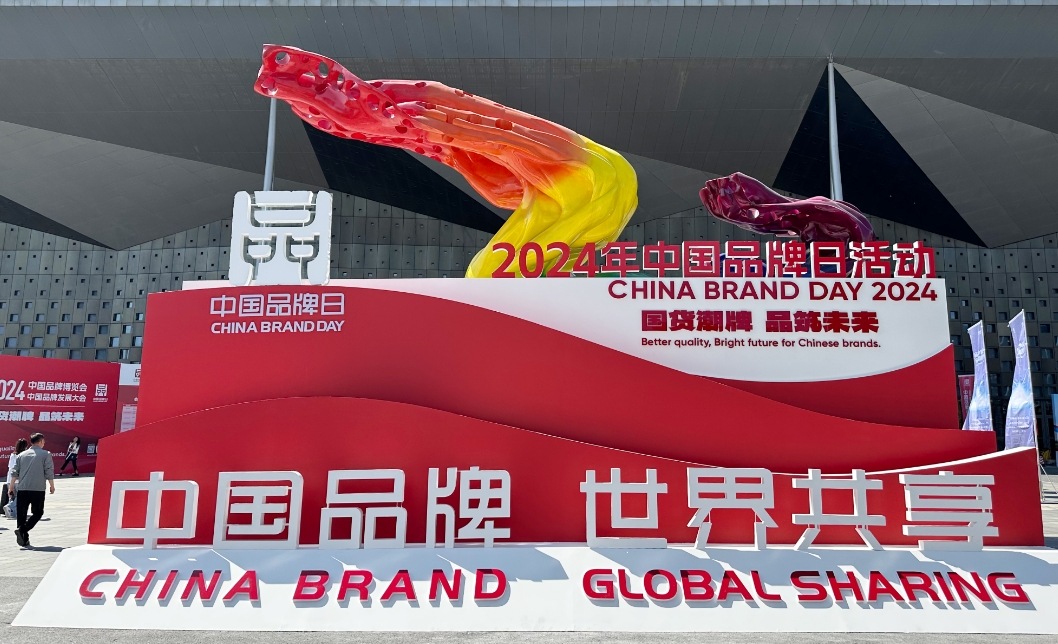
THE RISE OF GLOBAL PROMOTION BY CHINESE BRANDS
With rapid economic development and industrial upgrades, Chinese brands are gaining increasing influence in global markets. Companies like Huawei, Xiaomi, Alibaba, and Tencent have already established significant international presence. Now, more and more Chinese small and medium-sized enterprises are expanding overseas, seeking to capture a share of the global market.
These brands face various challenges in their global promotion efforts, including language barriers, cultural differences, and diverse market environments. To address these issues, many Chinese brands are partnering with Western influencers, leveraging their influence and reach for market promotion. This collaboration not only helps brands quickly penetrate new markets but also allows them to more precisely target their audience.
OPPORTUNITIES FOR SHORT VIDEO CREATORS
Increased Revenue
Chinese brands need high-quality short video content for their global promotions, providing numerous commercial collaboration opportunities. Creators can earn substantial income through ads, product placements, and brand endorsements. According to Influencer Marketing Hub, the average income for top influencers exceeded $100,000 in 2023, with this number expected to grow.
Expanded Influence
Collaborating with well-known brands not only brings financial benefits but also boosts a creator's influence and visibility. This win-win partnership helps creators quickly gain more followers and enhances their industry status and authority.
Creative Freedom and Diversity
The diverse needs of brand promotions offer creators ample creative space. They can integrate their unique style and characteristics into the promotional content, making it engaging and attractive. This creative freedom and diversity not only improve content quality but also enhance viewer experience
THE RISE OF GLOBAL PROMOTION BY CHINESE BRANDS
With rapid economic development and industrial upgrades, Chinese brands are gaining increasing influence in global markets. Companies like Huawei, Xiaomi, Alibaba, and Tencent have already established significant international presence. Now, more and more Chinese small and medium-sized enterprises are expanding overseas, seeking to capture a share of the global market.
These brands face various challenges in their global promotion efforts, including language barriers, cultural differences, and diverse market environments. To address these issues, many Chinese brands are partnering with Western influencers, leveraging their influence and reach for market promotion. This collaboration not only helps brands quickly penetrate new markets but also allows them to more precisely target their audience.
OPPORTUNITIES FOR SHORT VIDEO CREATORS
Increased Revenue
Chinese brands need high-quality short video content for their global promotions, providing numerous commercial collaboration opportunities. Creators can earn substantial income through ads, product placements, and brand endorsements. According to Influencer Marketing Hub, the average income for top influencers exceeded $100,000 in 2023, with this number expected to grow.
Expanded Influence
Collaborating with well-known brands not only brings financial benefits but also boosts a creator's influence and visibility. This win-win partnership helps creators quickly gain more followers and enhances their industry status and authority.
Creative Freedom and Diversity
The diverse needs of brand promotions offer creators ample creative space. They can integrate their unique style and characteristics into the promotional content, making it engaging and attractive. This creative freedom and diversity not only improve content quality but also enhance viewer experience

In the fast-changing audio market, competition among headphone brands is intense, and consumer preferences are constantly evolving. Yet, Soundcore has quickly emerged as a standout with its unique tech innovations and top-notch user experience. Let's dive into why Soundcore shines in the headphone market, capturing the hearts of users worldwide, and the hidden opportunities behind its success.
Innovative technology leads the trend
Soundcore distinguishes itself in the competitive market through its continuous pursuit of technological innovation. In 2019, it launched the Liberty 2 Pro, the world's first true wireless earbuds with Astria Coaxial Acoustic Architecture (ACAA), significantly boosting audio quality. Soundcore is dedicated to providing the best listening experience through technological breakthroughs, establishing itself as a major player in the audio industry.
High cost-performance ratio wins favor with users
In the competitive audio market, value for money is a key factor in attracting consumers. Soundcore's products, such as the Liberty 2 Pro and the Space One headphones launched in 2023, offer excellent sound quality and noise-cancelling features at a relatively affordable price. This high-value strategy has helped Soundcore build a strong reputation and attract a large base of loyal users.
Brand Influence and Global Expansion
Soundcore's brand influence is evident not only in its innovative products but also in its global expansion strategy. Soundcore products are sold in over 50 countries across all five continents, with more than 20 million users. Collaborations with local influencers have drawn significant attention on social media. For example, on TikTok, Soundcore has 224,000 subscribers and nearly a million likes. This successful social media strategy has further boosted Soundcore's brand influence.
User Reputation and Industry Recognition
According to the 2023 industry report, Soundcore achieved 1.5 billion in revenue in the first half of last year, making up 22.12% of Anker's total revenue. This result clearly shows Soundcore's leading position in the audio market.
In conclusion, through technological innovation, high value for money, and a strong global presence, Soundcore has captured consumers' hearts and become a dark horse in the headphone market. For video creators, partnering with Soundcore offers abundant opportunities for content creation. Its success provides a platform to showcase innovative technology, grow audiences, and enhance brand influence. Creating videos about Soundcore can attract viewers interested in audio products and leverage Soundcore's global presence to boost their international impact.
In the fast-changing audio market, competition among headphone brands is intense, and consumer preferences are constantly evolving. Yet, Soundcore has quickly emerged as a standout with its unique tech innovations and top-notch user experience. Let's dive into why Soundcore shines in the headphone market, capturing the hearts of users worldwide, and the hidden opportunities behind its success.
Innovative technology leads the trend
Soundcore distinguishes itself in the competitive market through its continuous pursuit of technological innovation. In 2019, it launched the Liberty 2 Pro, the world's first true wireless earbuds with Astria Coaxial Acoustic Architecture (ACAA), significantly boosting audio quality. Soundcore is dedicated to providing the best listening experience through technological breakthroughs, establishing itself as a major player in the audio industry.
High cost-performance ratio wins favor with users
In the competitive audio market, value for money is a key factor in attracting consumers. Soundcore's products, such as the Liberty 2 Pro and the Space One headphones launched in 2023, offer excellent sound quality and noise-cancelling features at a relatively affordable price. This high-value strategy has helped Soundcore build a strong reputation and attract a large base of loyal users.
Brand Influence and Global Expansion
Soundcore's brand influence is evident not only in its innovative products but also in its global expansion strategy. Soundcore products are sold in over 50 countries across all five continents, with more than 20 million users. Collaborations with local influencers have drawn significant attention on social media. For example, on TikTok, Soundcore has 224,000 subscribers and nearly a million likes. This successful social media strategy has further boosted Soundcore's brand influence.
User Reputation and Industry Recognition
According to the 2023 industry report, Soundcore achieved 1.5 billion in revenue in the first half of last year, making up 22.12% of Anker's total revenue. This result clearly shows Soundcore's leading position in the audio market.
In conclusion, through technological innovation, high value for money, and a strong global presence, Soundcore has captured consumers' hearts and become a dark horse in the headphone market. For video creators, partnering with Soundcore offers abundant opportunities for content creation. Its success provides a platform to showcase innovative technology, grow audiences, and enhance brand influence. Creating videos about Soundcore can attract viewers interested in audio products and leverage Soundcore's global presence to boost their international impact.

In recent years, with profound changes in the global economic landscape, geopolitics, trade rules, and market environment, more and more Chinese companies are actively expanding their overseas markets, seeking broader development space and business opportunities.
Enterprises and products that have gone out of China include both highly technological and down-to-earth categories. In the former, various professional rigging such as Juli rigging are used for the separation of steel cables during the launch of the Shenzhou-19 manned spacecraft, and have been applied in multiple overseas projects such as the 2022 Qatar World Cup main stadium, the Dubai Eye flywheel in the United Arab Emirates, the Pakistan port terminal, and the Maldives China Malaysia Friendship Bridge. Juli Rigging has formed a marketing service network covering 7 major markets including China, Europe, America, Australia, Japan, South Korea, and Southeast Asia.
Among the latter, since 2008, Huaihai Holdings has exported its "Three Bounces" (tricycles) to over 120 countries. Since 2024, the Chinese electric "Three Bounces" have become popular overseas and have been well received by consumers in many countries. In the United States, the price of a Chinese "Three Bounces" can even exceed $10000. An Guichen, Vice Director of Huaihai Holdings Group, stated that the new trend of the industry going global shows that companies, including Huaihai Holdings Group, are adopting a "group" model when developing overseas, unlike in the past when manufacturing and exporting complete vehicles domestically.
According to the 2024 interim report, as of August 31, 2024, there were 5340 listed companies in Shanghai, Shenzhen, and North China. 3300 companies with overseas operations. In the first half of the year, listed companies achieved overseas business revenue of 3.83 trillion yuan, a year-on-year increase of 12.84%, with a growth rate increase of 9.93 percentage points. Overseas business revenue accounted for 10.98%, an increase of 1.39 percentage points. Among them, the overseas business revenue of the manufacturing industry increased by 11.61%, with a growth rate of 7.57 percentage points, accounting for 18.91%, an increase of 1.73 percentage points.
In recent years, with profound changes in the global economic landscape, geopolitics, trade rules, and market environment, more and more Chinese companies are actively expanding their overseas markets, seeking broader development space and business opportunities.
Enterprises and products that have gone out of China include both highly technological and down-to-earth categories. In the former, various professional rigging such as Juli rigging are used for the separation of steel cables during the launch of the Shenzhou-19 manned spacecraft, and have been applied in multiple overseas projects such as the 2022 Qatar World Cup main stadium, the Dubai Eye flywheel in the United Arab Emirates, the Pakistan port terminal, and the Maldives China Malaysia Friendship Bridge. Juli Rigging has formed a marketing service network covering 7 major markets including China, Europe, America, Australia, Japan, South Korea, and Southeast Asia.
Among the latter, since 2008, Huaihai Holdings has exported its "Three Bounces" (tricycles) to over 120 countries. Since 2024, the Chinese electric "Three Bounces" have become popular overseas and have been well received by consumers in many countries. In the United States, the price of a Chinese "Three Bounces" can even exceed $10000. An Guichen, Vice Director of Huaihai Holdings Group, stated that the new trend of the industry going global shows that companies, including Huaihai Holdings Group, are adopting a "group" model when developing overseas, unlike in the past when manufacturing and exporting complete vehicles domestically.
According to the 2024 interim report, as of August 31, 2024, there were 5340 listed companies in Shanghai, Shenzhen, and North China. 3300 companies with overseas operations. In the first half of the year, listed companies achieved overseas business revenue of 3.83 trillion yuan, a year-on-year increase of 12.84%, with a growth rate increase of 9.93 percentage points. Overseas business revenue accounted for 10.98%, an increase of 1.39 percentage points. Among them, the overseas business revenue of the manufacturing industry increased by 11.61%, with a growth rate of 7.57 percentage points, accounting for 18.91%, an increase of 1.73 percentage points.
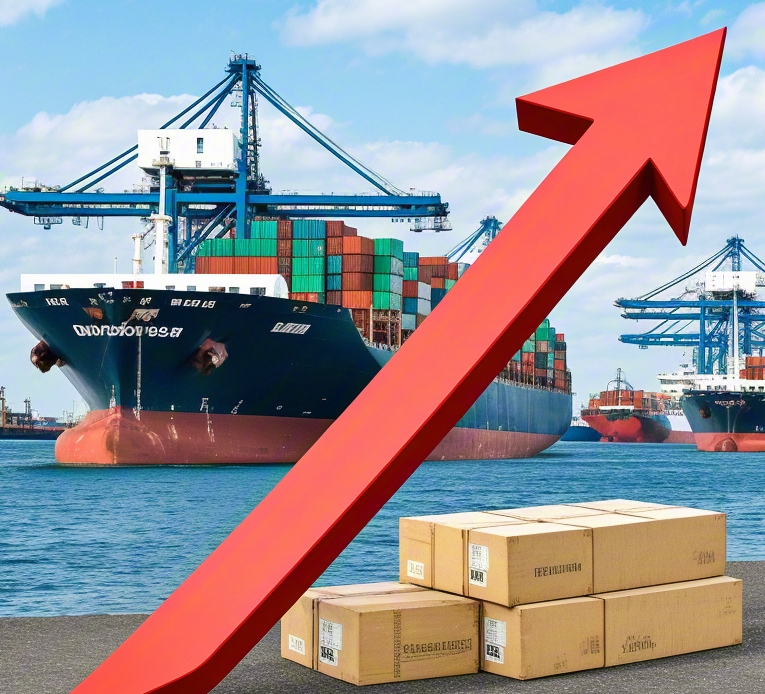
According to CNBC, in response to US President Donald Trump's tariff policies, Chinese electronics retailer Temu has started increasing import fees by approximately 145%.
These fees began to appear over the weekend after the price increase took effect last Friday, and their prices exceeded the price of a single product purchased by consumers, possibly more than twice the price of a regular order.
For example, a CNBC analysis shows that Temu's previous summer outfit, priced at $18.47 plus an import fee of $26.21, was actually sold for $44.68, with a markup rate of 142%.
A children's swimsuit priced at $12.44, with an additional import fee of $18.68, would cost $31.12, with a markup rate of up to 150%.
A handheld vacuum cleaner priced at $16.93, with an additional import fee of $21.68, would cost $40.11, with a markup rate of approximately 137%.
According to CNBC, in response to US President Donald Trump's tariff policies, Chinese electronics retailer Temu has started increasing import fees by approximately 145%.
These fees began to appear over the weekend after the price increase took effect last Friday, and their prices exceeded the price of a single product purchased by consumers, possibly more than twice the price of a regular order.
For example, a CNBC analysis shows that Temu's previous summer outfit, priced at $18.47 plus an import fee of $26.21, was actually sold for $44.68, with a markup rate of 142%.
A children's swimsuit priced at $12.44, with an additional import fee of $18.68, would cost $31.12, with a markup rate of up to 150%.
A handheld vacuum cleaner priced at $16.93, with an additional import fee of $21.68, would cost $40.11, with a markup rate of approximately 137%.

CBNData sees that as Chinese brands bid farewell to the early stages of product and software going global, they are beginning to demonstrate a more proactive and in-depth offensive posture in the global market.
In terms of platforms, China's cross-border e-commerce "Four Little Dragons" Temu SHEIN、TikTok Shop、 AliExpress is intensifying its efforts to seize the global market. In September 2023, TikTok officially launched its e-commerce service in the United States, with a daily transaction volume rapidly exceeding $10 million (approximately RMB 72 million). According to 36Kr, TikTok's e-commerce business has set a GMV target of $50 billion (approximately RMB 357 billion) for 2024; In the third quarter of 2023, Pinduoduo's revenue scale increased by over 90% year-on-year, with its cross-border e-commerce platform Temu becoming the largest source of incremental revenue.
At the same time, Chinese brands are also actively "going global". Meixue Ice City has opened its stores on the streets and alleys of Indonesia. As of October 2023, Meixue Ice City has 4000 stores overseas, an increase of nearly 3000 stores in a year. Following closely behind are many tea and coffee brands such as Heytea, Bawang Tea Lady, and Kudi; BYD, Wuling, NIO and other Chinese new energy vehicles are popular in the Middle East, Southeast Asia and other regions, opening up a new energy practice of overtaking established car companies such as Europe, America, Japan and South Korea in overseas markets.
Local politics, climate change, inflation and other global challenges have occurred one after another, but Chinese brands have taken new steps in the journey of globalization. In this macro context, CBNData, the first financial data center, has released the 2023 China Brand Overseas Volume List for the first time. Based on the public data weighted ratings of nearly 10000 Chinese overseas brands in more than ten industry categories covered by the OneSight marketing cloud database on mainstream social media platforms such as Facebook, Instagram, and X (formerly Twitter), an annual volume total list and five category volume lists have been released to comprehensively evaluate the influence of Chinese brands on overseas social media in 2023, roughly depicting the overseas landscape of Chinese brands.
CBNData sees that as Chinese brands bid farewell to the early stages of product and software going global, they are beginning to demonstrate a more proactive and in-depth offensive posture in the global market.
In terms of platforms, China's cross-border e-commerce "Four Little Dragons" Temu SHEIN、TikTok Shop、 AliExpress is intensifying its efforts to seize the global market. In September 2023, TikTok officially launched its e-commerce service in the United States, with a daily transaction volume rapidly exceeding $10 million (approximately RMB 72 million). According to 36Kr, TikTok's e-commerce business has set a GMV target of $50 billion (approximately RMB 357 billion) for 2024; In the third quarter of 2023, Pinduoduo's revenue scale increased by over 90% year-on-year, with its cross-border e-commerce platform Temu becoming the largest source of incremental revenue.
At the same time, Chinese brands are also actively "going global". Meixue Ice City has opened its stores on the streets and alleys of Indonesia. As of October 2023, Meixue Ice City has 4000 stores overseas, an increase of nearly 3000 stores in a year. Following closely behind are many tea and coffee brands such as Heytea, Bawang Tea Lady, and Kudi; BYD, Wuling, NIO and other Chinese new energy vehicles are popular in the Middle East, Southeast Asia and other regions, opening up a new energy practice of overtaking established car companies such as Europe, America, Japan and South Korea in overseas markets.
Local politics, climate change, inflation and other global challenges have occurred one after another, but Chinese brands have taken new steps in the journey of globalization. In this macro context, CBNData, the first financial data center, has released the 2023 China Brand Overseas Volume List for the first time. Based on the public data weighted ratings of nearly 10000 Chinese overseas brands in more than ten industry categories covered by the OneSight marketing cloud database on mainstream social media platforms such as Facebook, Instagram, and X (formerly Twitter), an annual volume total list and five category volume lists have been released to comprehensively evaluate the influence of Chinese brands on overseas social media in 2023, roughly depicting the overseas landscape of Chinese brands.